Day 3: Saturday 16th May
Tokyo - Asakusa and Ueno Park
📍 Tokyo, Asakusa
Senso-ji Temple & Sanja Matsuri Festival
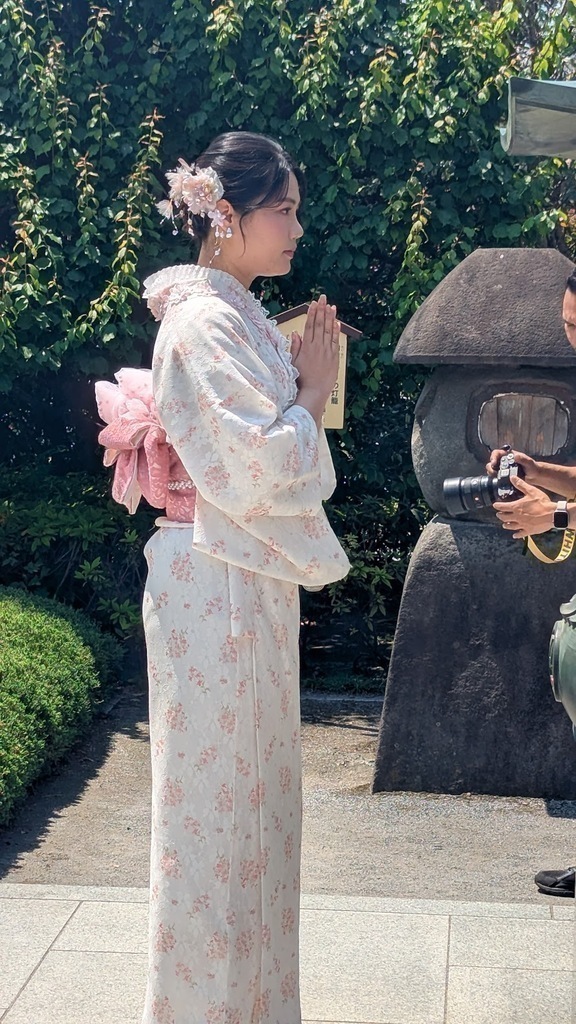
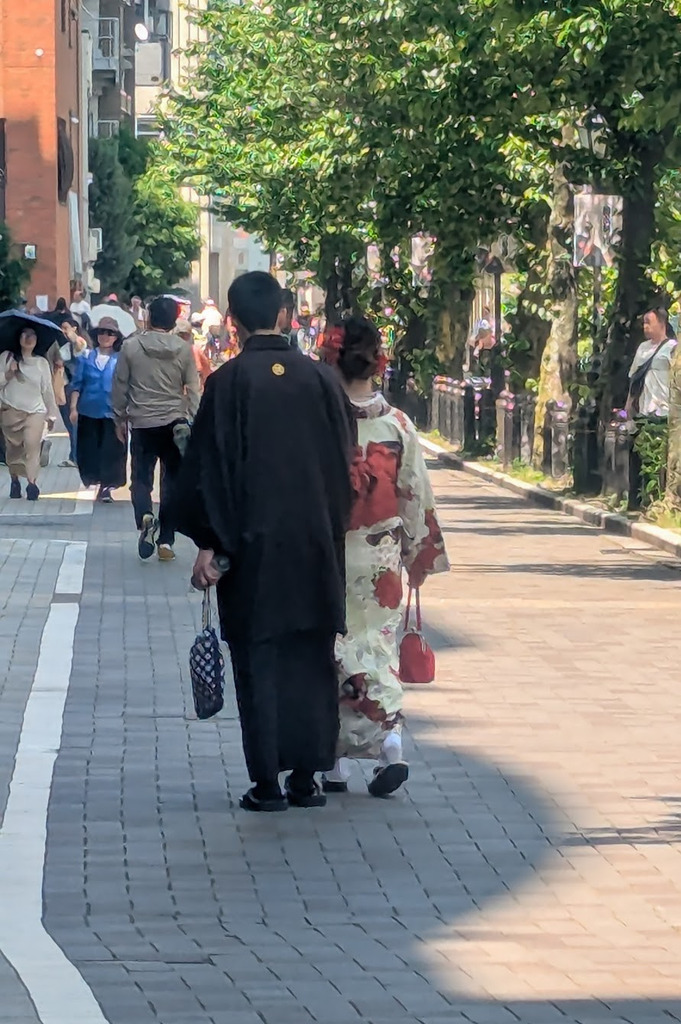
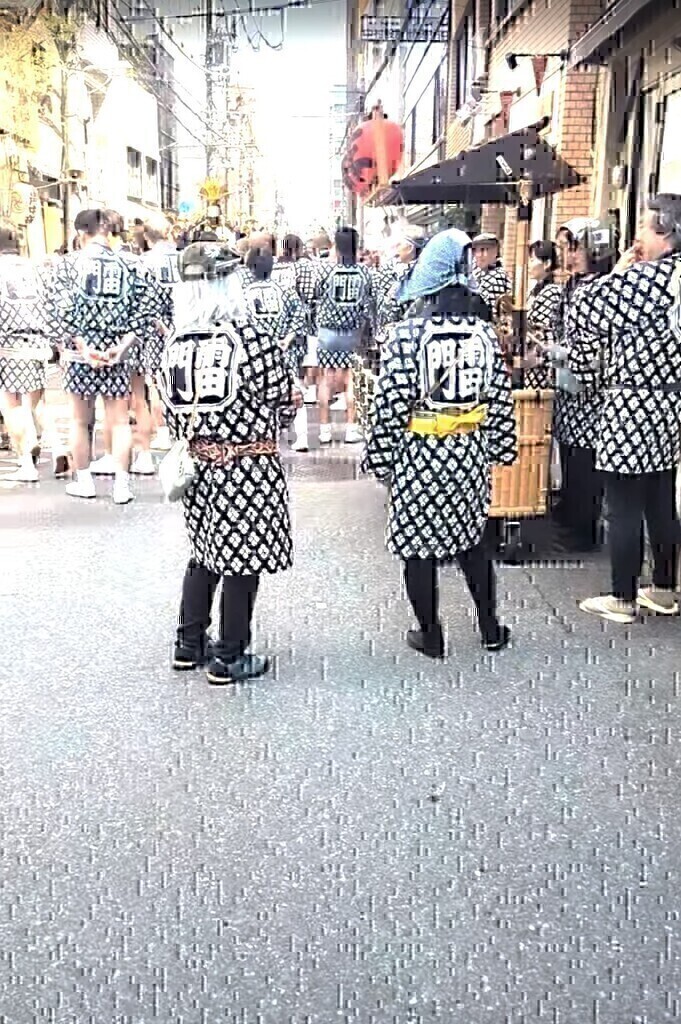
We started the morning at Senso-ji Temple, and what timing! We had no idea when we booked, but we stumbled upon the Sanja Matsuri, a 3 day Shinto festival that brings around 2 million people to Asakusa over the period. It is one of the most popular festivals in Tokyo. And whoa, it was busy! The festival is held in celebration of the three founders of Sensoji Temple, who are enshrined in Asakusa Shrine next door to the temple.
The Sanja festival consists of loads of people parading portable shrines (mikoshi) carrying Shinto deities (kami) around the streets to bring good fortune to the local businesses and residents. It reminded me a bit of the pulling of the plough back home around Hinckley and neighbouring villages. The men carrying the shrines are in costume, a lot like the morris-men back home, and at each bar they seem to stop and drink and sometimes eat a bit. Pretty much every evening during our stay in Tokyo involved bumping into a group of rather drunk festival parade folk.
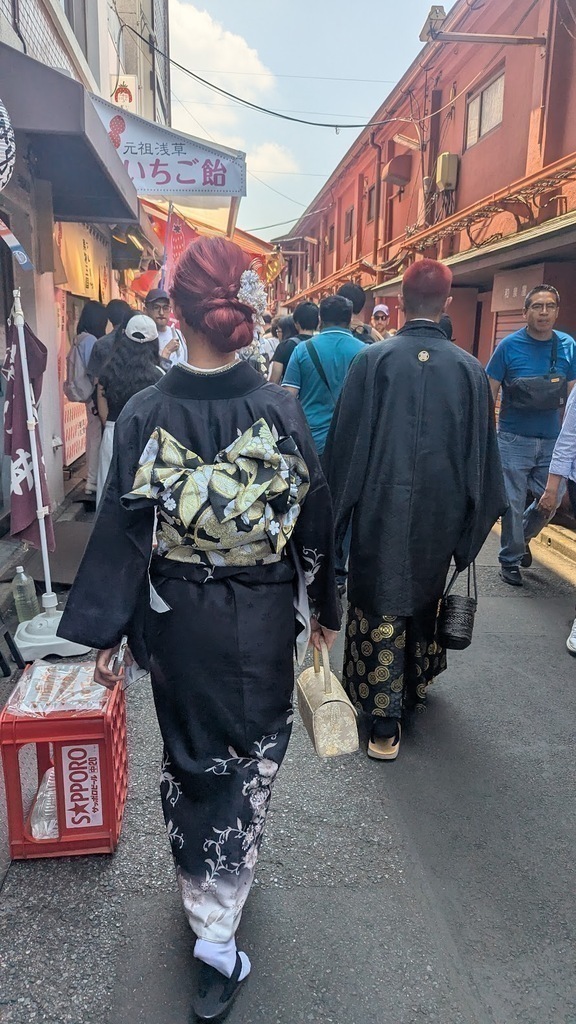
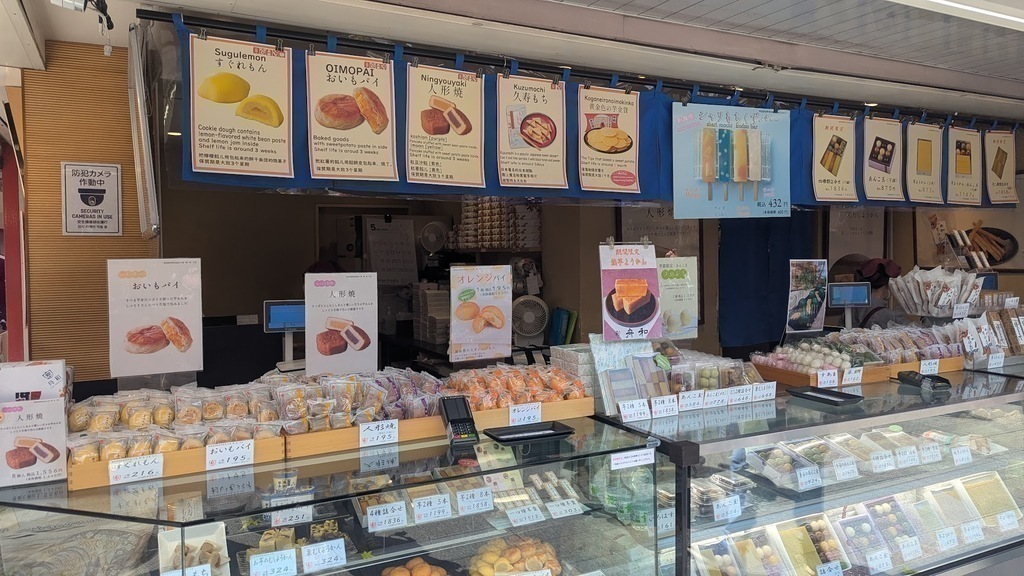
For breakfast, we bought some taiyaki from a street vendor in Nakamise-dori shopping street (195m of traditional shops). Taiyaki are these weird cake things that contain sweet red bean paste and are shaped like fish. They were hot and actually tasted quite good!
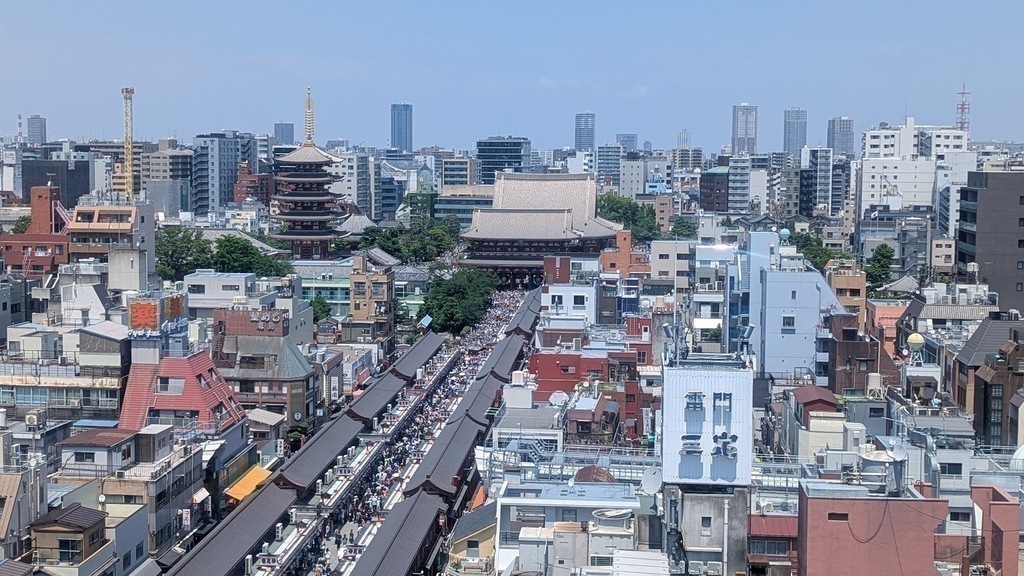
After exploring the temple grounds, we headed to the Tourist Information Centre which is opposite the Kaminarimon Gate and looks down onto Nakamise-dori and the temple. This is a well known photo spot, so there were queues for the elevator. Despite the heat, we decided to walk up the stairs all the way to the 8th Floor Sky Roof Cafe. The cafe was air-conditioned which was a relief when we got to the top of the stairs and we each had an iced coffee and enjoyed the view. Outside the cafe there was also a viewing platform, that provided an excellent vantage point to look out over Asakusa and all of the festivities.
Picnic Lunch & Bee Friendship Cafe
By lucky timing, we were able to get the elevator back down from the cafe. Right outside the Tourist Information Centre, there was a 7-11 on the corner. We had heard that their bento boxes were excellent and also that they tended to have ATMs, so we took the opportunity to withdraw money and grabbed lunch from their very large selection of food. If you're ever in Japan the convenience stores (7-11, Lawson, and FamilyMart) are brilliant for getting cheap, but healthy food and drink. The 7-11s usually also provide space to eat your food. Some include a microwave, kettle, and facilities for throwing away rubbish.
With our assorted lunch packs, we headed towards the river to find a place in the riverside park where we could picnic under the trees. The riverside was so peaceful compared to the busy temple, but we noticed that there didn't seem to be any rubbish bins. Also, because of the heat, any benches in the shade were already taken. We eventually sat on a low wall under some trees and ate our lunch there. We had bought a selection of pickles, salads, and I had some cold noodles with seaweed and pickled radish in plum paste. The noodles were actually in a cold broth, which probably had dashi - which is a traditional Japanese stock made from dried fish (bonito). On holidays, I sometimes have to just put some of the vegetarian principles a little to one side.
Maria went looking for a rubbish bin to dispose of our trash, but after walking a couple of blocks and past the station without finding any bins, we ended up putting our rubbish in a bag and taking it around with us. We later found out that there are very few public bins in Japan, and that people are expected to take their rubbish home with them. Also, just having a picnic in any park isn't really a thing in Japan, and you're meant to find a park that either provides signage for this or facilities. On one hand this is really good, because the streets in Tokyo and Kyoto are really clean. On the other hand, where there are dense tourist areas, like around Osaka, we found that there was less respect for this culture and there was a lot more litter around. Still, mostly better than the UK!
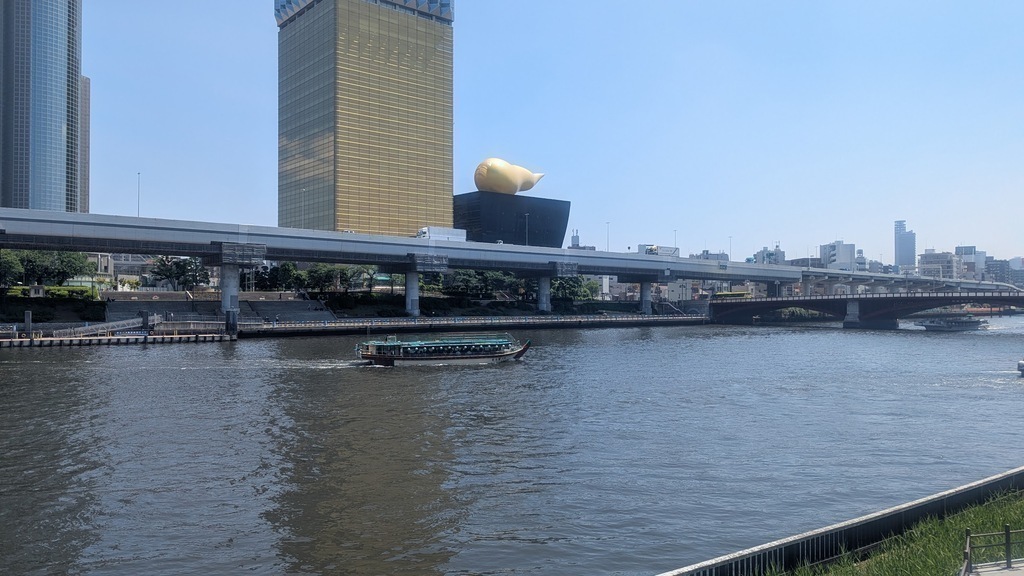
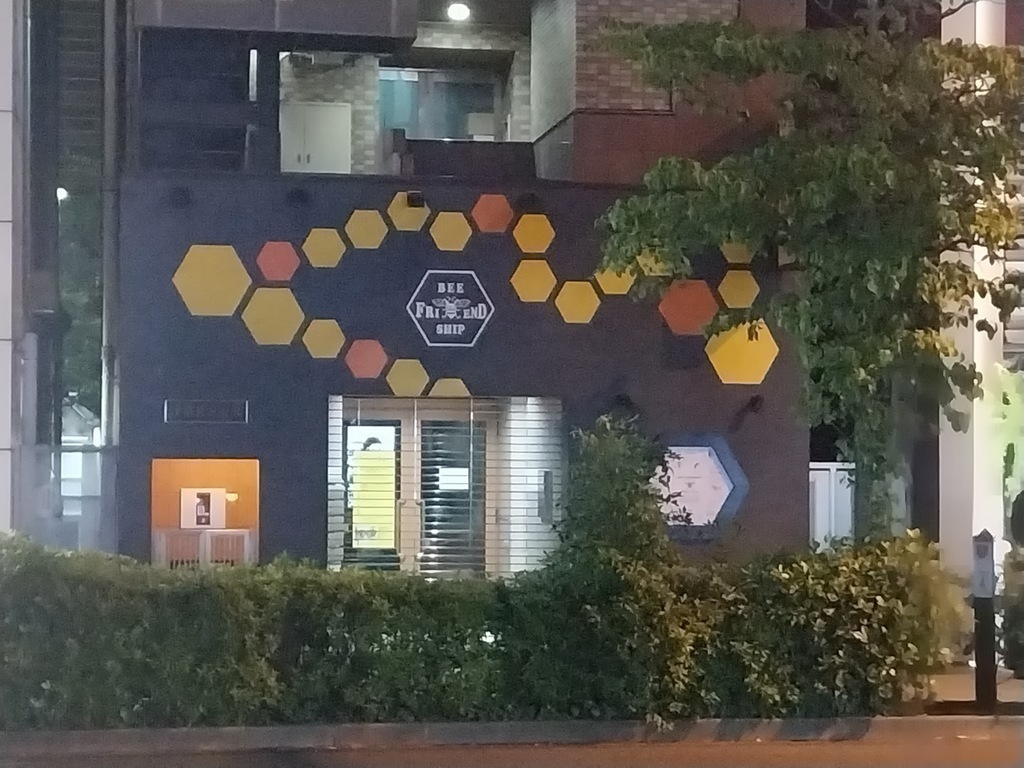
The previous night we had noticed the Bee Friendship Cafe on the river. They are primarily a honey shop, but brew their own Kuradashi Mead. Also, honey smothered ice cream! We had to make a stop here. Maria went for mead & raisin and vanilla. We tried a couple of the meads, which are brewed directly within the store. Both the Standard Honey Mead and the Shimmering Sun Dry Mead were delicious. If you're in Asakusa, definitely stop here and try the kuradashi mead!
Ueno Park Adventure
We took the Ginza Line to Ueno Park, which is only a couple of stops away from Asakusa, but provides a completely different atmosphere. Ueno Park is a huge green space in the middle of Tokyo, and it was a welcome relief from the busy streets.
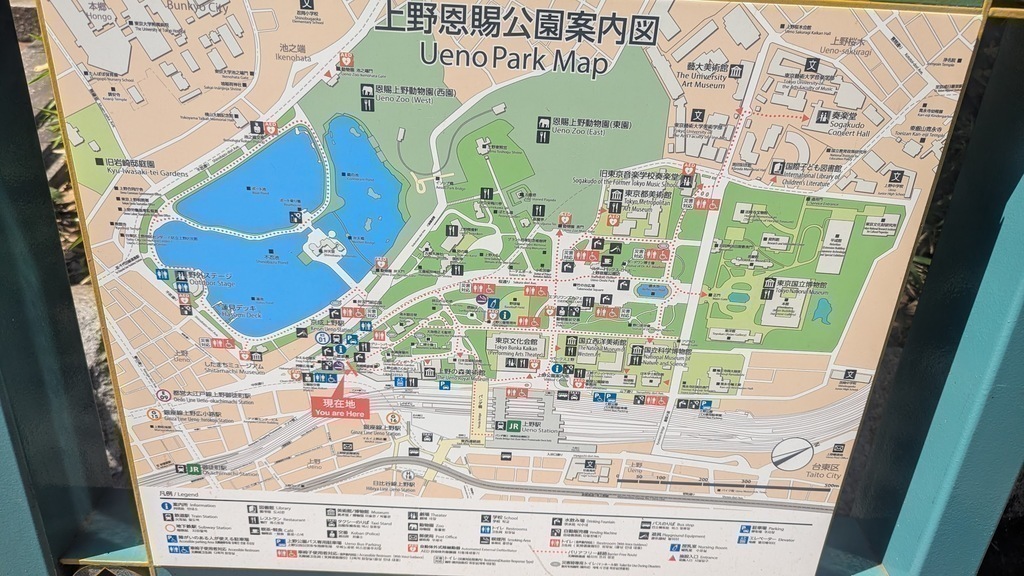
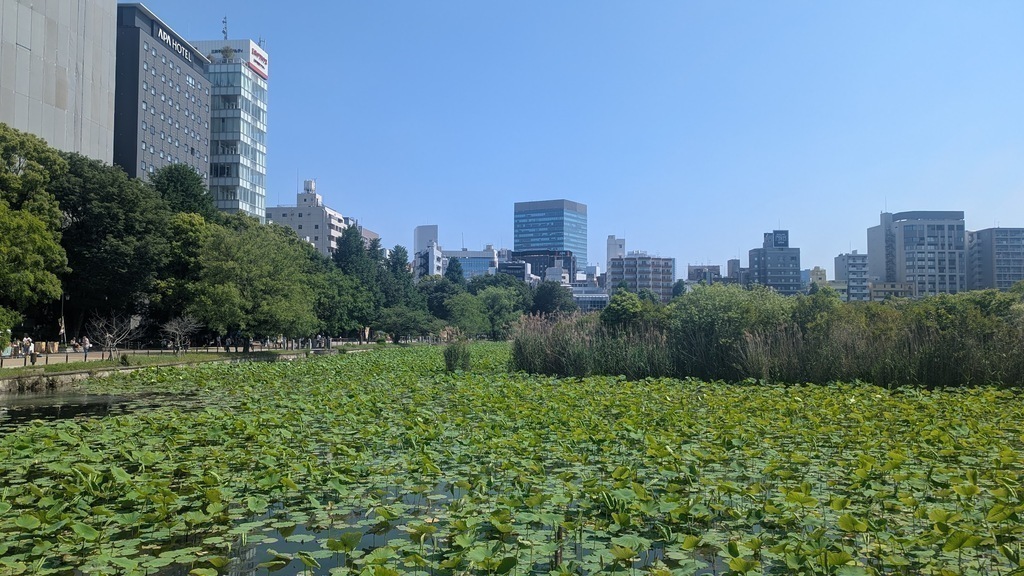
We mostly roamed around the park, aimlessly, but stopped at things that we found interesting. Obviously with the big body of water on the map, we had to go and check out the pond. We were a little disappointed because the pond was quite overgrown, so not much water was visible. I am sure when the waterlilies bloom it looks amazing. More interesting was the temple on the island in the middle of the pond - Shinobazu Bentendo.
The temple is a Buddhist temple and once inside, they prefer you not to take photographs. We went in and it offered some cool respite from the heat outside. There were some benches with cushions and a couple of people were sitting, so we joined them. All of a sudden, a young Buddhist monk gonged a bell and started chanting a sutra. We noticed that the benches around us had filled up with Japanese people, all with their prayer books. We were in the thick of a ceremony! The monk started beating a drum rhythmically as he intoned the lines from the sutra. Everybody around us was chanting at the same time. The whole experience was really powerful and moving and I closed my eyes and just absorbed the whole thing. The chanting went on for probably around twenty minutes to half an hour. We had no idea what was going on, but it was really special to be fully immersed in a traditional ceremony like that. After the whole ceremony, we made our offerings at the shrine and Maria tried to communicate with one of the people to find out about the prayer books that they were using. An elderly lady explained that there was a shop that sold them several blocks away. But she hung around and then spoke to the monk and he had a few in the temple shop, so we bought one from him. The sutra is the Kannon-Gyo sutra, part of the Lotus Sutra, and is a prayer to the bodhisattva of compassion, Kannon. Obviously the whole prayer book is in Japanese, so it is illegible to us, but it looks beautiful and it provides a great memento of a truly unique experience.
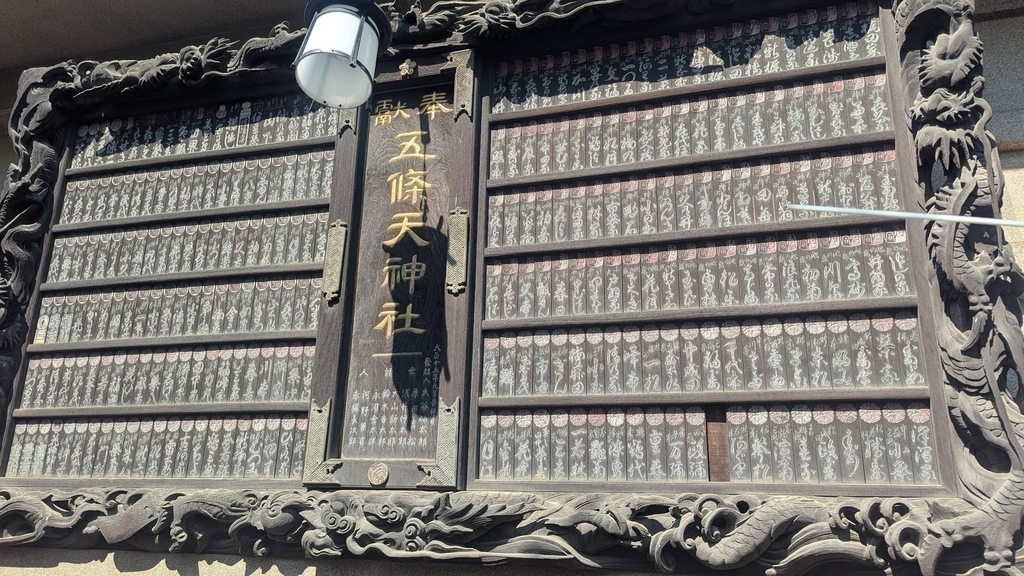
We continued to walk around Ueno Park, and as if we hadn't been fully templed out at this point, we noticed a Shinto shrine - the Gojoten Shrine. The Shinto shrines are usually pretty obvious because they have one or more tori gates at the entrance, and they frequently use a lot of red paint. Also, they often include guardian statues of animals, like foxes or lions, which represent the guardian deities or spirits (kami). I am particularly interested in the intersection of Shinto and Buddhist practices in Japan. The temples from the different religious traditions often exist alongside each other. At times there has been tension between the two religions, but they have also influenced each other a lot over the centuries. And the older pagan Shinto traditions remain very much alive in Japan, even among people who identify as Buddhist.
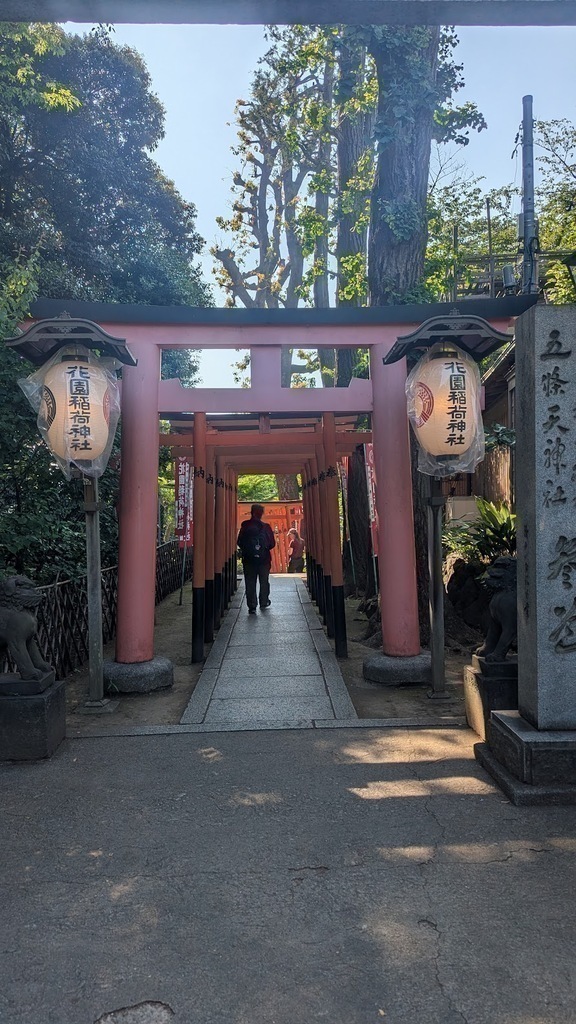
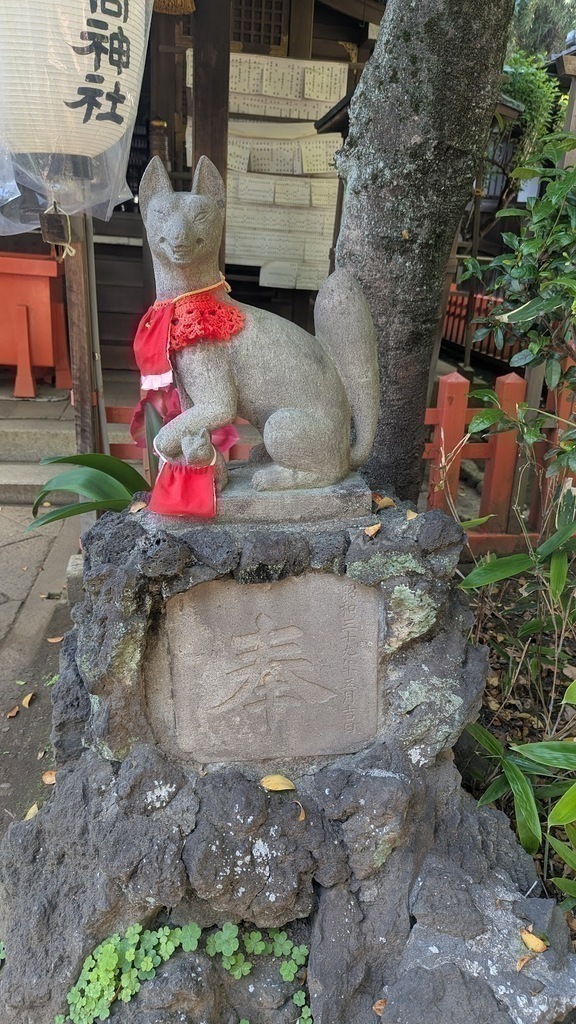
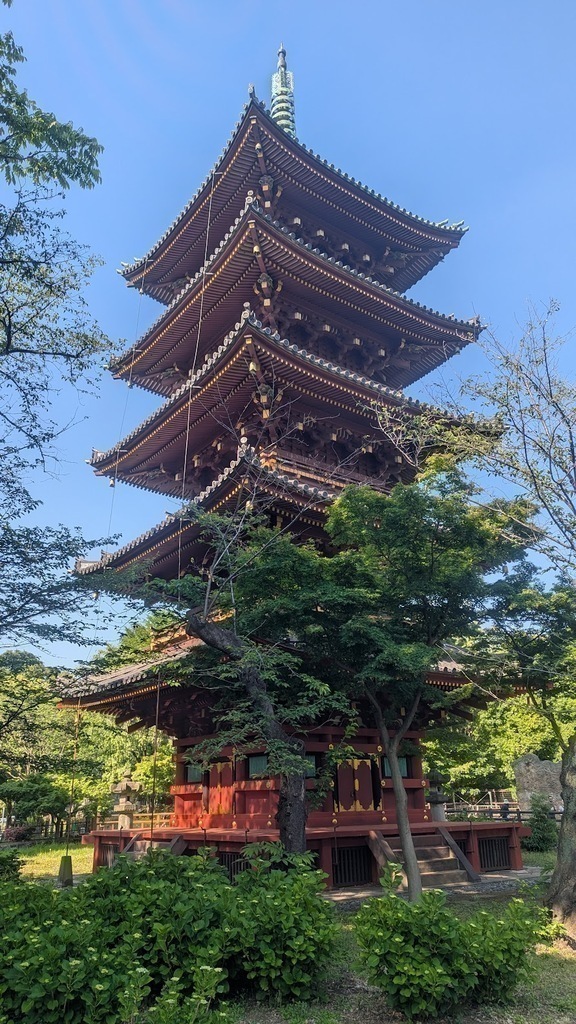
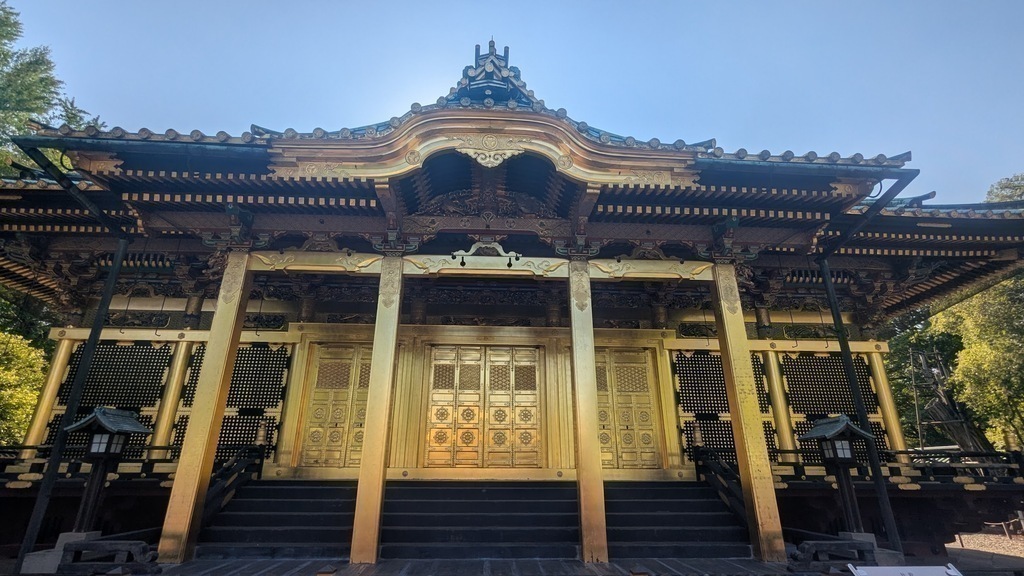
More temples! Not far away from the Gojoten Shrine, we visited Ueno Tosho-gu Shrine, which had an entrance fee of ¥1,600. This is a much bigger shrine built in the 1600s to honour the founder of the Tokugawa shogunate. The shrine includes a main hall which is covered in gold leaf and is surrounded by an intricately carved wooden wall. Leading up to the main hall there is a long path lined with stone lanterns. To one side a 5-story pagoda stands around a small moat. It struck me that when we were in Asakusa we saw a picture of Asakusa after the carpet bombing in World War II, and it was really flattened. The pagoda at Senso-Ji was destroyed and rebuilt. Aside from the war, Japan is also prone to earthquakes and fires, so it was truly miraculous to see these structures still standing in their original form.
On one side of the main hall is a smaller shrine dedicated to a raccoon-dog deity called Eiyō Gongen. This deity originally was thought to have brought about disaster and misfortune, but over time has been reinterpreted as a protector of the shrine and praying to Eiyō Gongen is thought to bring good luck and protection from harm. We saw representations of Eiyō Gongen at other places around Japan. So we made a small contribution and said our prayers.
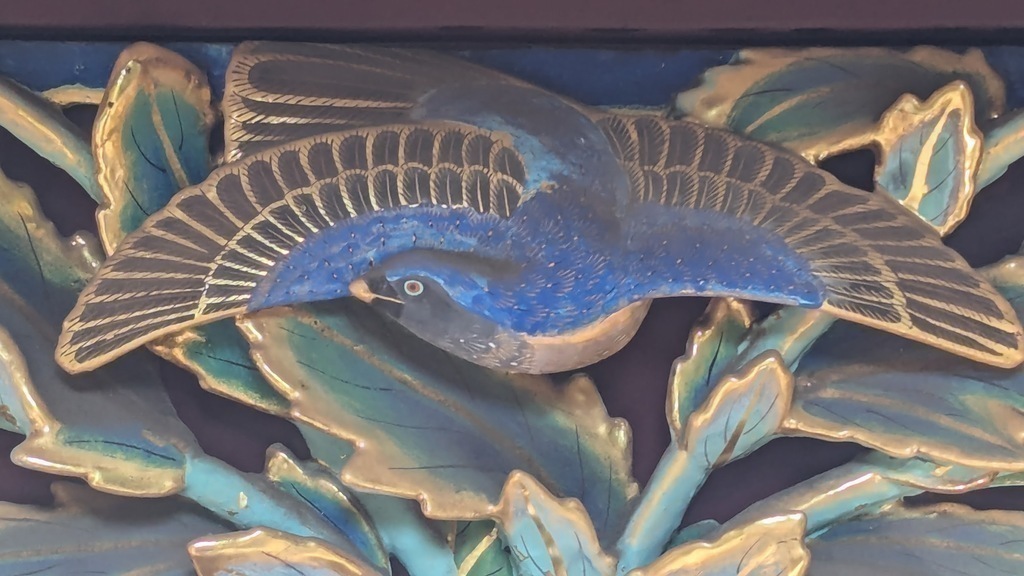
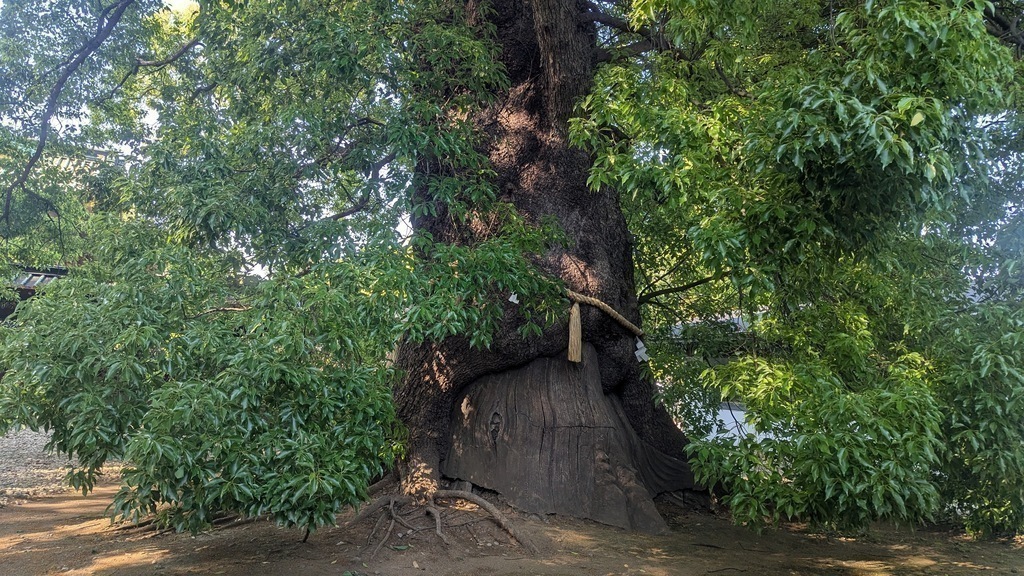
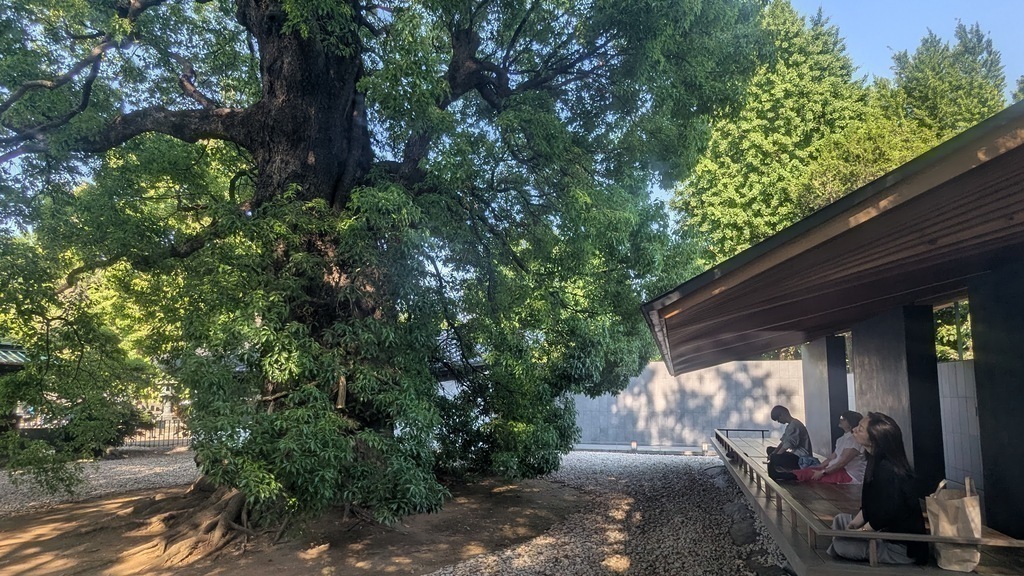
The Tosho-gu Shrine is also famous for its peony gardens, but these were unfortunately closed when we got there. But we did get to sit on the decking in front of a huge camphor tree that is estimated to be around 500 years old. This was incredibly peaceful and meditative. It kind of helped to slow down the trip a bit more.
Ameyoko Market & Local Encounters
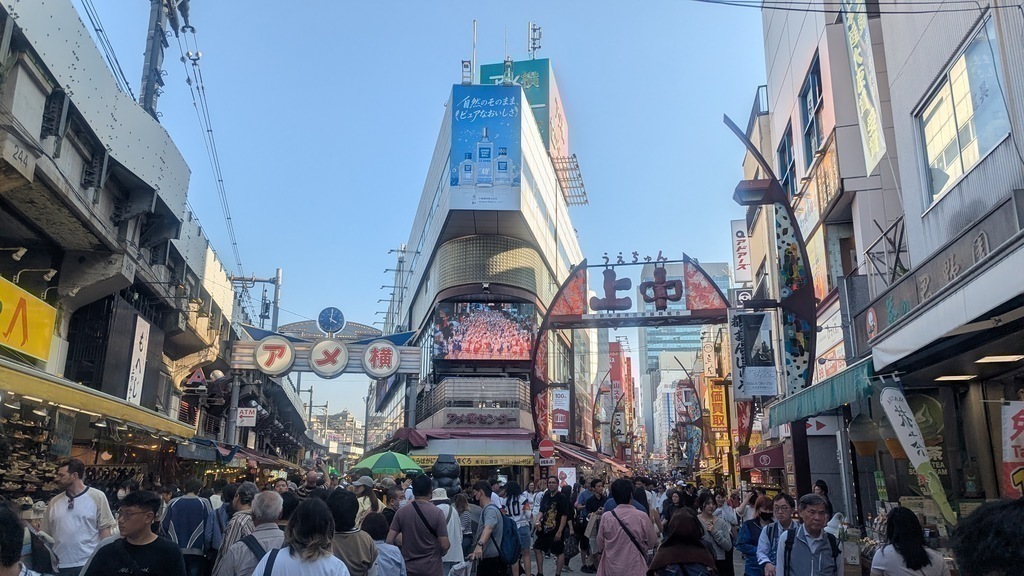
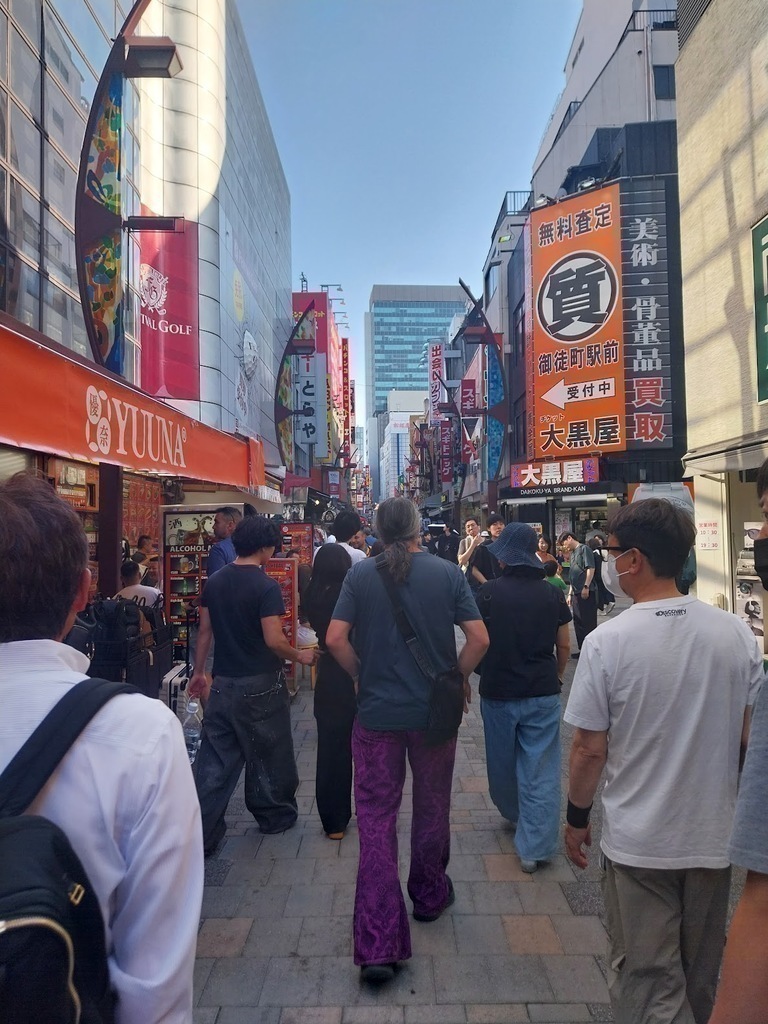
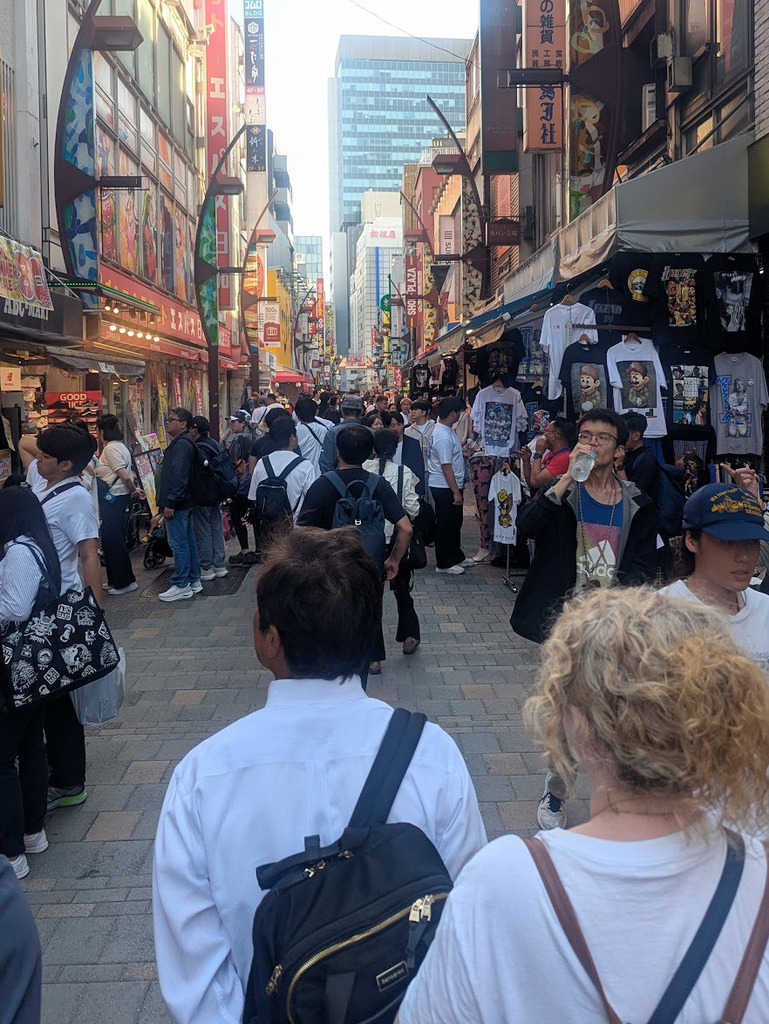
Okay, enough temples! We decided to check out the Ameyoko Market shopping area, outside of the park. It was buzzing and in such contrast to the peaceful temples we had just visited. I think that both of us were still feeling a bit jet-lagged and slightly shell-shocked by the scale of everything. So many people. So many signs. So much activity. We just walked up and down the streets shuffling past people. We stopped at a little shop to look at some beautifully embroidered clothing, and just took in the busy atmosphere.
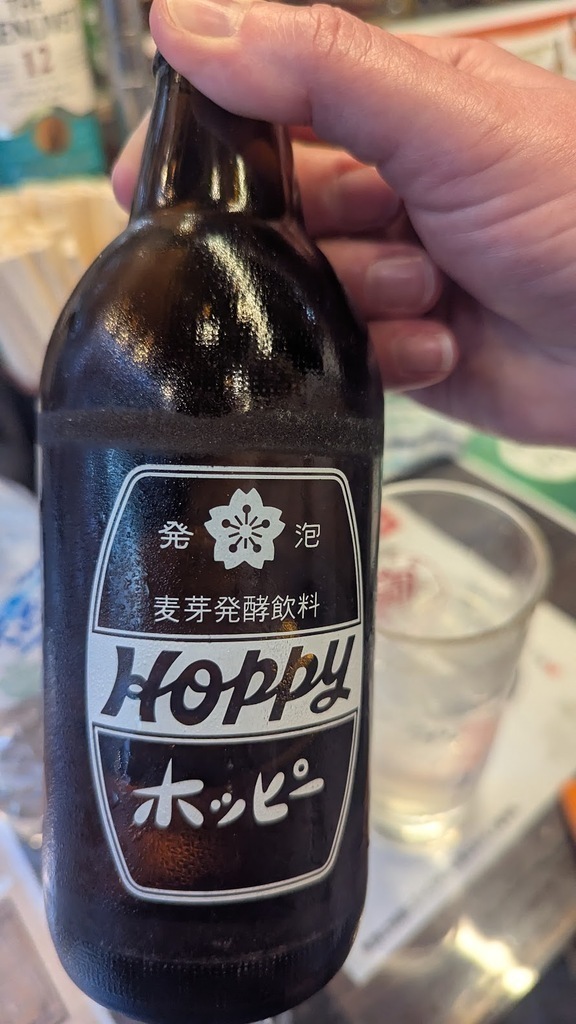
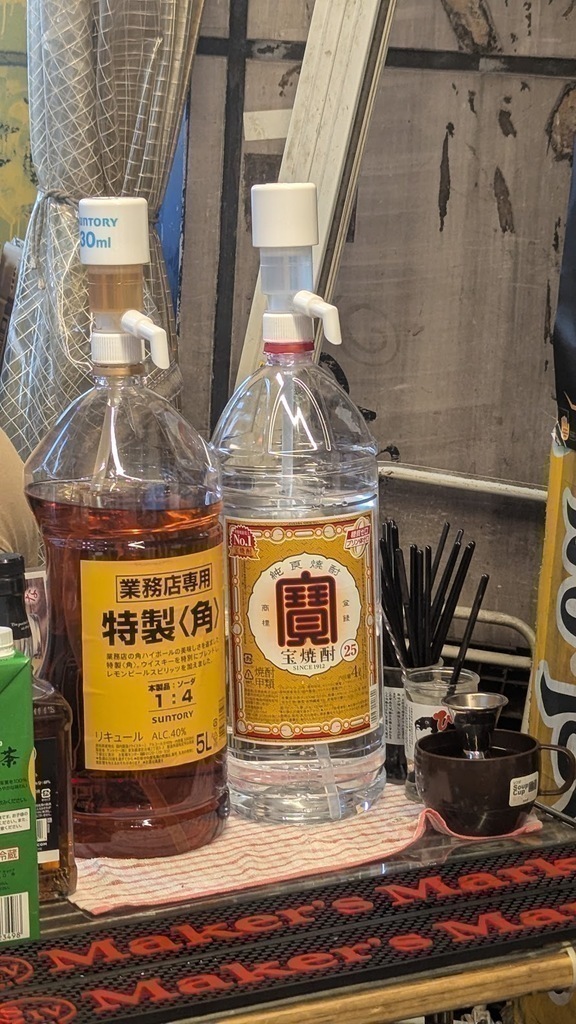
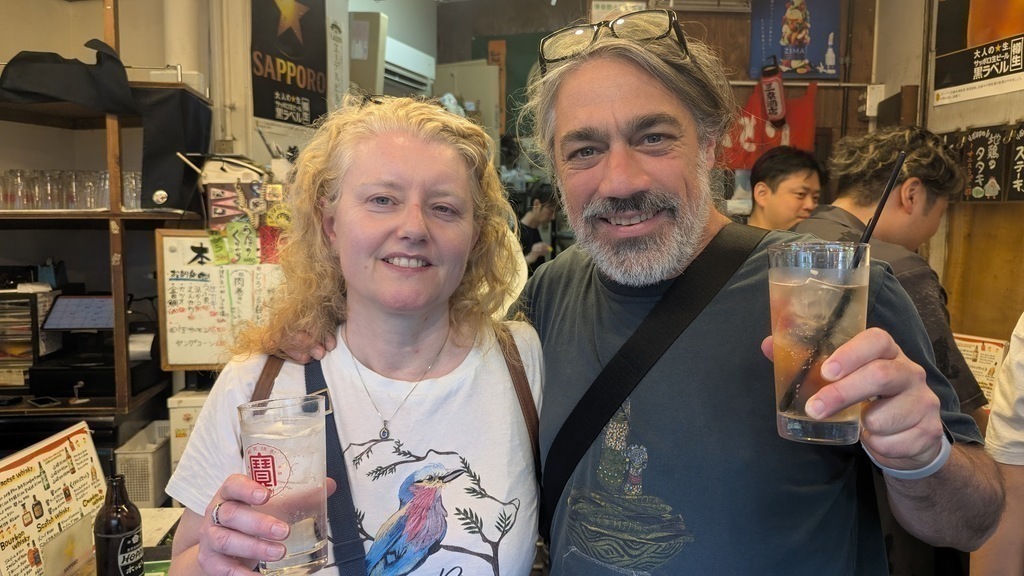
At some point we decided to stop at a small whisky bar that just opened out into the street. It was tiny. We saw several people drinking a beer looking drink, so I asked for whatever that was - it turned out to be a drink called Choi-hu which stands for Shochu & Hoppy. Shochu is a spirit kind of similar to Sliwowica and super strong. Hoppy is a very low alcohol malt beer. The combination is odd, but I can tell you that it definitely did its work. Maria opted for the safer option and had a sake and soda.
The bar was populated entirely by Japanese people, who turned out to be very friendly and welcoming. We met a guy called Ashuto, who worked for the government as a civil servant and had excellent English. He reminded us a lot of our Spanish friend Fernando. We had a great chat with him and it was just good to feel like we were connecting with someone over a friendly drink.
The drink had brought on the munchies, so we roamed (staggered) around looking for somewhere to get a small bite to eat. We found a place called the 380 restaurant. It was named this because absolutely everything cost ¥380. It was definitely more seafood oriented so there wasn't a huge selection of food that fit the vegetarian bill, eventually we settled on an omelette with shredded sardines garnish, edamame, and pickles. And topped up on beer, of course!
Evening Wanderings
We decided to walk back to Asakusa. It looked pretty straightforward on the map and would take us about half an hour. We stopped at a 7-11 for cold Cafe Latte and chocolate. We bought a packet of Pickled Plum candies. Oh my goodness! These were so salty! We were laughing all the way back to the hotel, because the 'sweets' were like an endurance test. Just when you thought you might want to spit it out, you would convince yourself that they actually tasted quite good, but then the salt would overwhelm you again. I managed to munch quite a few of these and kept persisting through the holiday, but we still have half the packet at home after the holiday, so they are clearly a massively acquired taste.
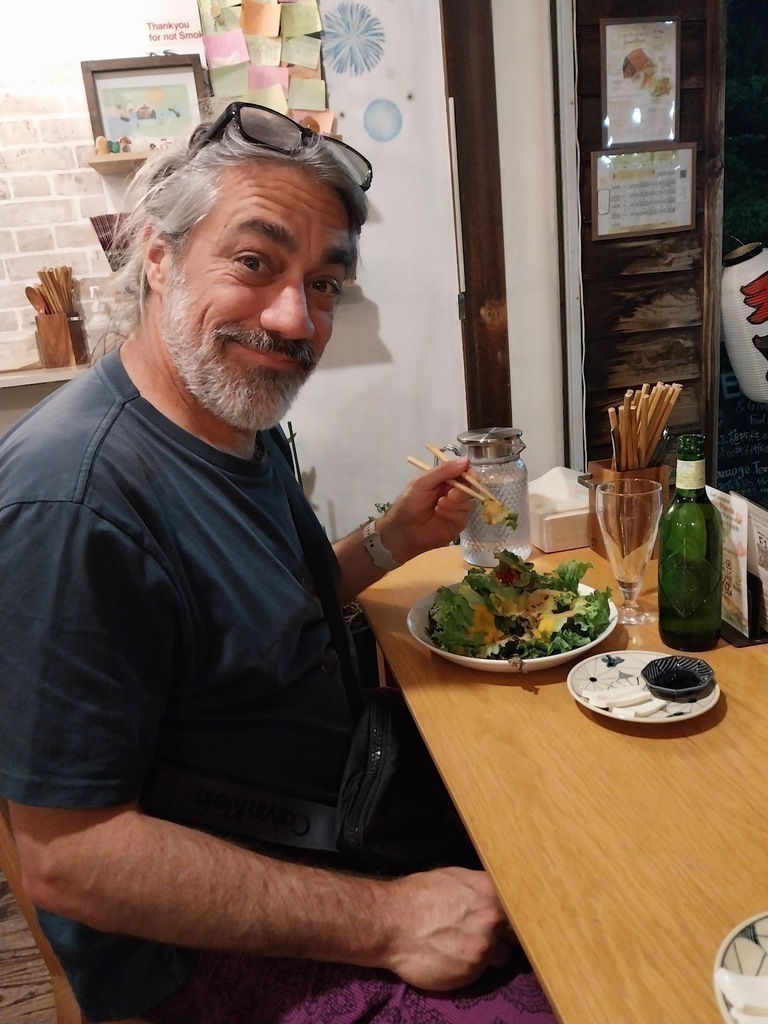
We rested for a bit back at the hotel, but decided to try to get a proper dinner, because the food we had eaten at the 380 restaurant had been pretty light and was more of an afternoon snack than a proper meal. We had noticed a small vegan restaurant near the Bee Friendship Cafe earlier in the day. We thought we would give it a try. So we walked back to the river front and caught them just before they closed. They were really nice and squeezed us in for a late dinner.
Nightlife exploration.
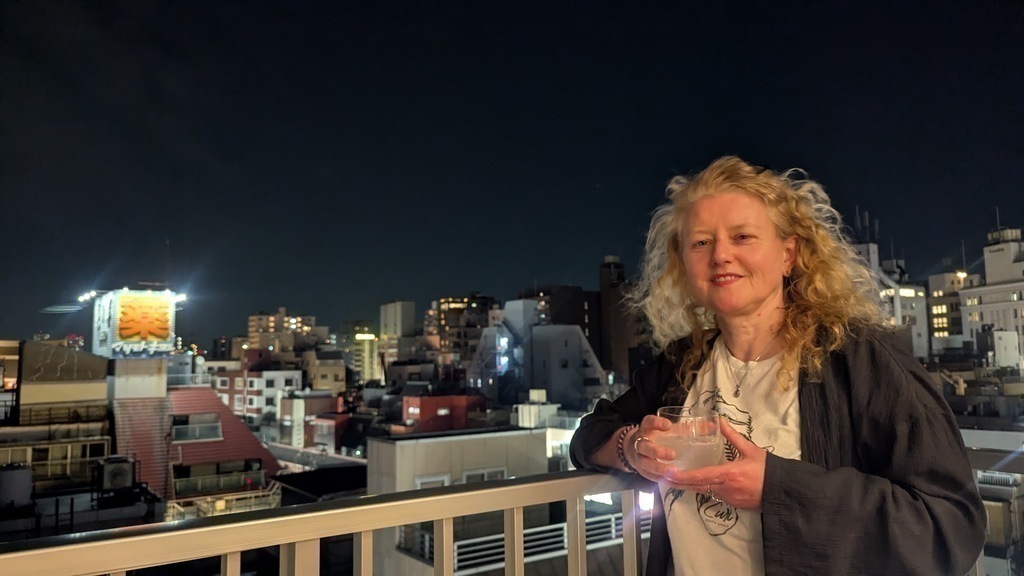
After dinner, we decided to explore the nightlife in Asakusa. I think our body clocks were all over the place, and we were suddenly very wide awake. Maria suggested looking for a whisky bar so that I could try some Japanese whisky. We looked around and found a few bars nearby that looked promising. One was called the 'Not Suspicious Bar' which looked pretty freaking suspicious to us... but it was closed. We found another bar nearby called the Kaminari Whisky Bar, which was off the street. You needed to take an elevator up to the top floor and it opened right into the bar. It was a nice place and we sat outside on the balcony, which looked out into the streets of Asakusa. Maria had a cocktail called the 'Samurai Rocky' and I had a whisky called Nikka Yoichi 'Under the Sea' edition - which came in a salt-encrusted bottle that had been left to age underwater in the sea for a year. It was pretty gimmicky, but the whisky tasted good. Prices were quite dear, so we explored further.
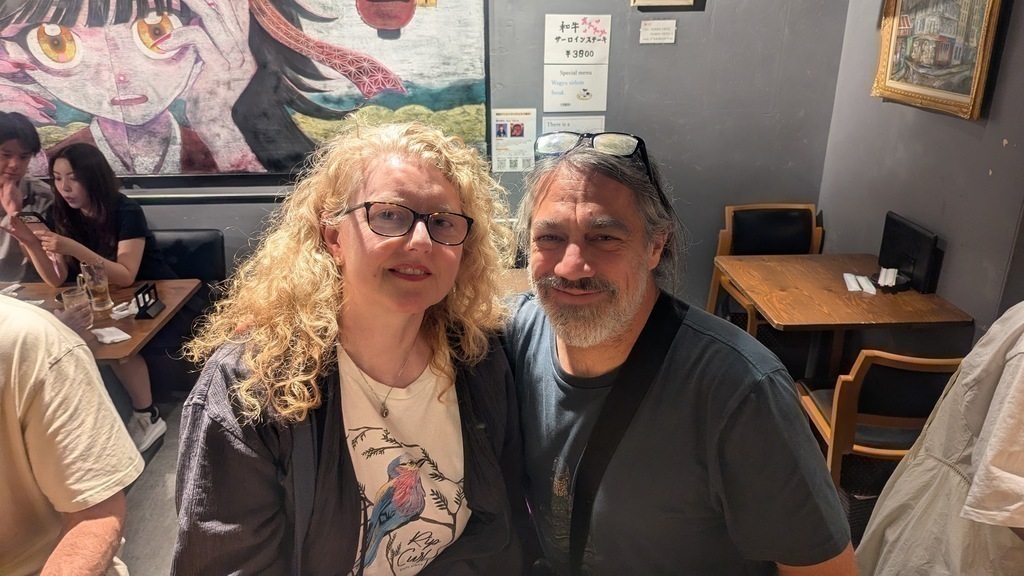
Up the street was the Saka Bar, which advertised whisky, so we popped in and I had another whisky and Maria had a glass of white wine. We nibbled on some complimentary nuts. The mural on the wall behind us was an anime character and looked wild.
Midnight Diner Robbery!
By now it was pretty late, and most places were closing up. We roamed around for a bit longer and were about to go into the hotel when we saw a small bar opposite the hotel that still looked open, but which seemed to have Japanese-only clientele. The bar reminded us of the TV Series 'Midnight Diner' - a show about a small bar in Tokyo that opens from midnight to 7am and is frequented by a variety of different characters who come in for a drink and a chat. We asked a customer outside whether we would be able to come in for a drink. He asked the owner inside and they indicated that we were welcome. We went in and sat down at the bar. Everyone was super friendly and tried to chat to us in English. We had a great time chatting and joking and we laughed a lot. The owner served us one beer shared in two glasses. The beer was in a quart bottle, and he kept topping up our glasses until the bottle finished. At which point we were ready to say goodbye. I asked for the bill. The owner wouldn't look at us and said something and the whole bar went really quiet. We were a bit confused, but then one of the customers explained that the owner had said that the beer was ¥4,000. We were a bit shocked, but we paid the bill. One of the customers followed us outside and apologised. The owner didn't look at us at all, but after we left and we were walking back to the hotel, he came outside and shouted 'thank you'. We were kind of reeling that a pint and a half of beer had just cost us around £20. However, the experience had been really good, up until that point. I didn't begrudge the owner for taking advantage of us, but it was kind of upsetting, even if we laughed it off.
What a day. We were fully saturated, and I guess we were tired, even if our bodies were still telling us that somewhere back home it was daytime. Looking back, I don't know how we managed to fit so much into one day.